The adoption of a cockatiel often evokes the image of a joyful and low-maintenance companion. However, this process involves responsibilities and costs that are not always anticipated by future owners. Behind the appeal of their melodious song and colorful plumage lie requirements for care, specialized feeding, veterinary visits, and the arrangement of living space to ensure their well-being. These lesser-known aspects can lead to significant expenses, transforming what seemed like an affordable hobby into a substantial investment both financially and emotionally.
The hidden costs of adopting a cockatiel
The initial cost of a cockatiel can surprise those considering welcoming this feathered companion. Beyond the cockatiel price of purchase, which varies according to the rarity and color of the bird, additional expenses arise. An appropriate aviary, large enough to allow the bird to move freely, is essential for the well-being of the cockatiel, native to Australia and scientifically known as Nymphicus hollandicus. Perches and toys complete the setup, stimulating the natural intelligence and curiosity of this social bird.
The costs associated with adopting a cockatiel are not limited to the initial investment. Recurring expenses for food must also be considered. A varied diet, consisting of specific seeds, fruits, vegetables, and dietary supplements, is essential for maintaining the animal’s health. The complexity of this diet requires special attention from the owner and incurs regular costs.
Veterinary visits constitute a significant part of the annual budget allocated to a cockatiel. Vaccinations, such as those against Newcastle disease, are sometimes necessary. Basic care, such as checking the condition of feathers and nails, may require professional intervention. Grooming fees and any unforeseen medical treatments can further increase the budget dedicated to the bird.
Future owners must be aware that adopting a cockatiel involves financial and personal responsibilities. The cost of purchase is just the tip of the iceberg. Ongoing care, proper feeding, veterinary visits, and the necessary accessories for the flourishing of the pet bird substantially increase the total amount invested in this feathered companion. Consider these factors before committing to the adoption of a cockatiel to ensure a rewarding experience for both the animal and the owner.
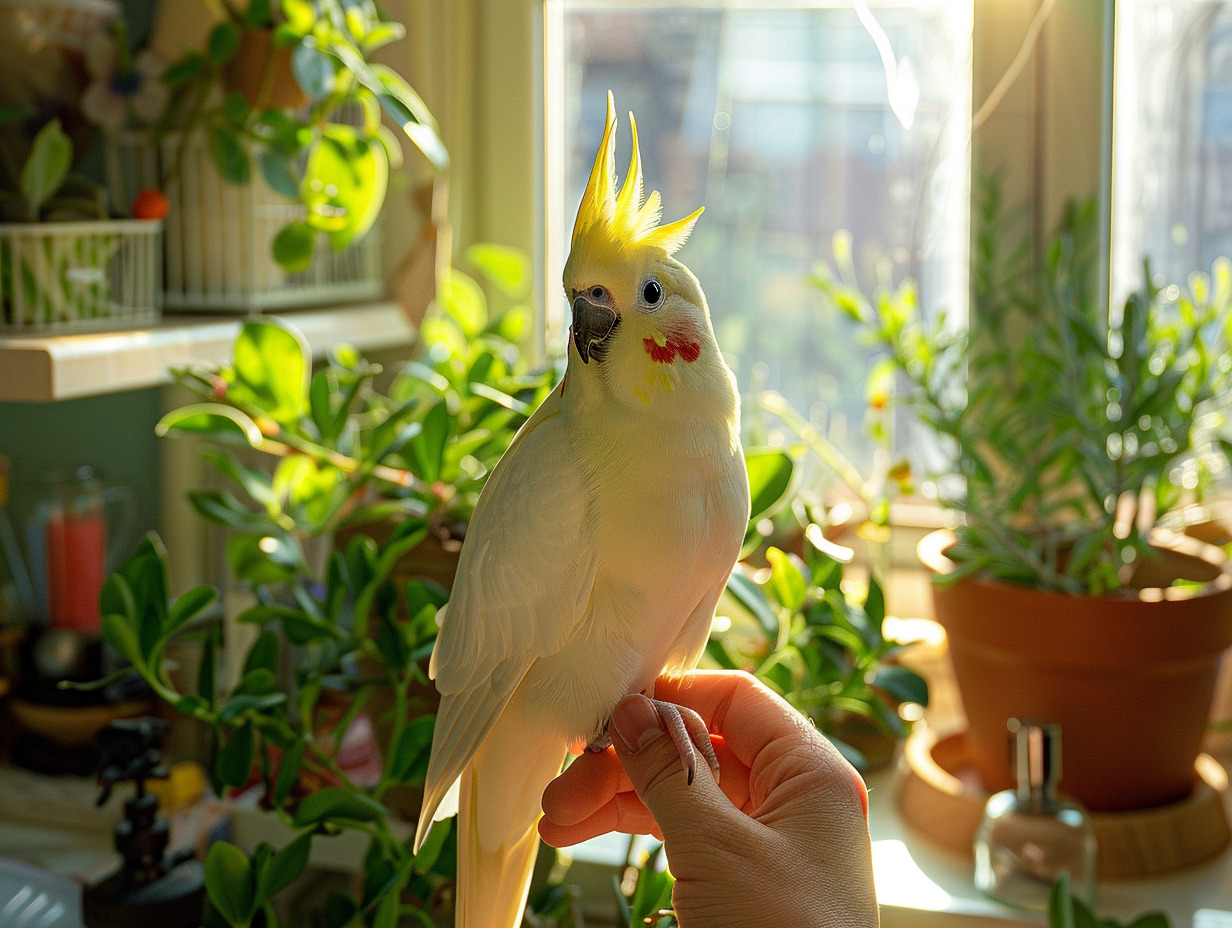
Planning a budget for the long-term health and well-being of the cockatiel
The well-being of the cockatiel, the quintessential companion bird, largely depends on attentive care and a balanced diet. Consider the costs associated with food, which go beyond simple seeds. Include in your budget fruits, vegetables, and supplements necessary for maintaining optimal health. This varied diet, recommended by veterinarians, ensures the vitality of the cockatiel and prevents potential nutritional deficiencies.
Regular veterinary visits are essential for preserving the health of this bird native to Australia. Vaccinations, particularly against Newcastle disease, and routine check-ups should be anticipated in the annual budget. Owners should also be prepared for unexpected expenses in case of illnesses or accidents. These veterinary costs, often underestimated during adoption, can be significant, especially if specialized care is required.
Do not overlook grooming and boarding fees, which contribute to the comfort and safety of the cockatiel. Although these birds groom themselves naturally, professional assistance may be necessary for nail or wing care. During prolonged absences, using a qualified boarding service ensures continuity of care and avoids the stress related to the animal’s solitude. These services, often forgotten when budgeting, represent a considerable part of the expenses dedicated to the cockatiel.