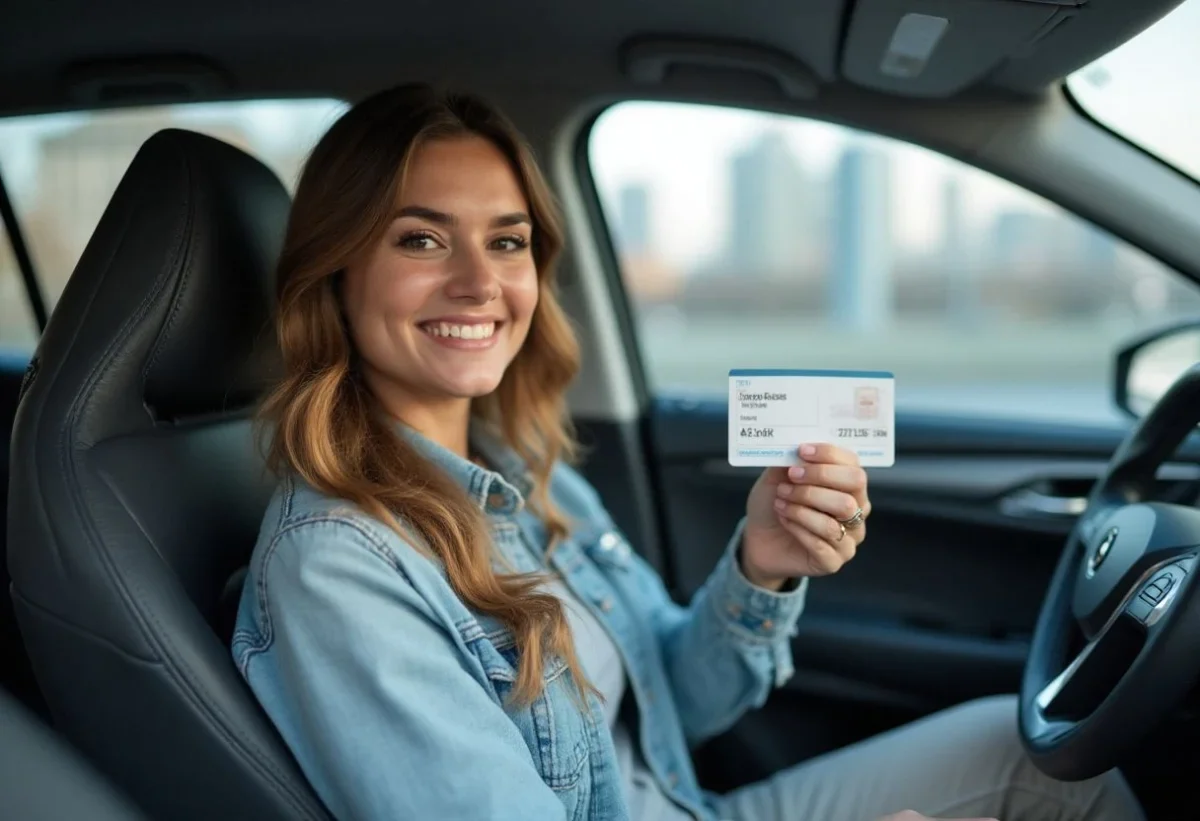
Road safety is a major issue in our modern societies, requiring rigorous measures to ensure that drivers are well prepared to face the challenges of the road. Among these measures, the psychotechnical test for the license proves to be an indispensable tool for verifying the cognitive and psychomotor abilities of candidates. Although often perceived as a mere formality, these tests are of paramount importance for maintaining safety on our roads. They do not merely determine whether an individual is fit to drive, but also seek to assess their ability to react appropriately in various and potentially dangerous situations.
What does a psychotechnical test measure?
The psychotechnical test is an examination aimed at evaluating several essential skills for driving a car. It focuses on analyzing visual perception, motor coordination, reaction time, as well as the ability to manage stress and make quick decisions.
- Visual perception is fundamental for detecting potential hazards on the road, such as a pedestrian unexpectedly crossing or a vehicle braking suddenly.
- Motor coordination ensures that the driver can effectively control the vehicle, maneuvering the steering wheel and operating the pedals with precision.
- Reaction time influences the ability to respond quickly to an unforeseen event, which can make the difference between a simple brake and an accident.
- Stress management and the ability to make decisions are essential for maintaining calm and making informed choices under pressure.
Who needs to take this test?
Driving license candidates are not the only ones concerned by the psychotechnical test for the license. Certain situations also require experienced drivers to undergo it. It is essential to understand what circumstances necessitate such an examination.
Firstly, individuals who have undergone a license suspension due to various traffic offenses such as driving under the influence or repeated speeding. Next, those applying for a professional license, including taxi, bus, or truck drivers, often need to justify their skills. Finally, individuals whose health has undergone significant changes, particularly medical issues affecting their cognitive or motor abilities, may also be required to take this test for preventive purposes.
How to effectively prepare for the test?
Being well prepared can make a significant difference in the success of this examination. Several techniques can help candidates optimize their performance during the psychotechnical test.
It is advisable to adopt regular practice through video games that stimulate hand-eye coordination and improve reaction time. Additionally, practicing concentration and relaxation exercises can help better manage stress. Dedicated mobile applications also offer specific training for psychotechnical tests, providing a realistic simulation of the evaluation. It may be wise to consult a professional for a personalized diagnosis that identifies potential areas for improvement and suggests tailored exercises.
The stakes and benefits of the psychotechnical test
It is useful to focus on the reasons why this test is essential, not only for individuals but also for society as a whole.
- It provides the opportunity to verify the competence of the driver, ensuring that they are fit to manage a vehicle safely.
- It helps to reduce the number of road accidents by identifying those who may pose a danger.
- It represents a means of prevention to avoid at-risk individuals from getting behind the wheel, thus protecting the lives of other road users.
The psychotechnical test for the license represents much more than a simple evaluation. It is a significant contribution to road safety, ensuring that only drivers capable of adequately meeting the demands of the road can obtain or regain their license. Each step of this process, from understanding the skills being tested to adequate preparation, plays a crucial role in achieving this vital objective.