A newborn requires a lot of special care that demands a great deal of attention. Therefore, whether it is for hygiene, rest, or feeding, it is important to take all necessary precautions for their well-being. Discover in this article how to take care of a newborn!
Taking care of a baby: hygiene

Taking care of a baby means looking after them appropriately during all daily routines. The arrival of a baby changes all your lifestyle habits and takes up all your time. You need to be in direct contact with them, and some actions should be instinctive while others must be learned over time. Indeed, your baby’s hygiene is one of the important aspects of care that requires knowing the necessary actions to master. It is therefore essential to get into the habit of these simple gestures to avoid stress, save time, and turn each hygiene care moment into a pleasant, calm, and serene experience for your baby.
Bath time is a moment that evokes strong memories for the baby from their time in the womb and their immersion in amniotic fluid. However, giving a bath to a baby also involves taking care of their hygiene. Your baby also needs to be cleared of mucus, have their umbilical cord treated, have their ears cleaned, and have their diaper changed regularly. You can visit the site www.unbrindefil.fr.
Helping the baby to rest
A newborn needs a lot of rest to grow well and become stronger. Thus, they can sleep for about 16 hours a day and you will need to wake them up to feed every two hours. Indeed, some babies have a confusing sleep pattern during the first weeks following birth. Therefore, it may happen that your baby is more alert at night than during the day. In this case, you need to help them find an ideal sleep cycle, and you will need to be very patient.
You should limit stimulation in the evening by dimming the lights and speaking softly. Ensure that they are always placed to sleep on their back to avoid the risk of sudden infant death syndrome. Additionally, it is important to regularly alternate the position of your baby’s head to the left or right to limit the risk of facial deformities if they sleep on one side only.
Breastfeeding
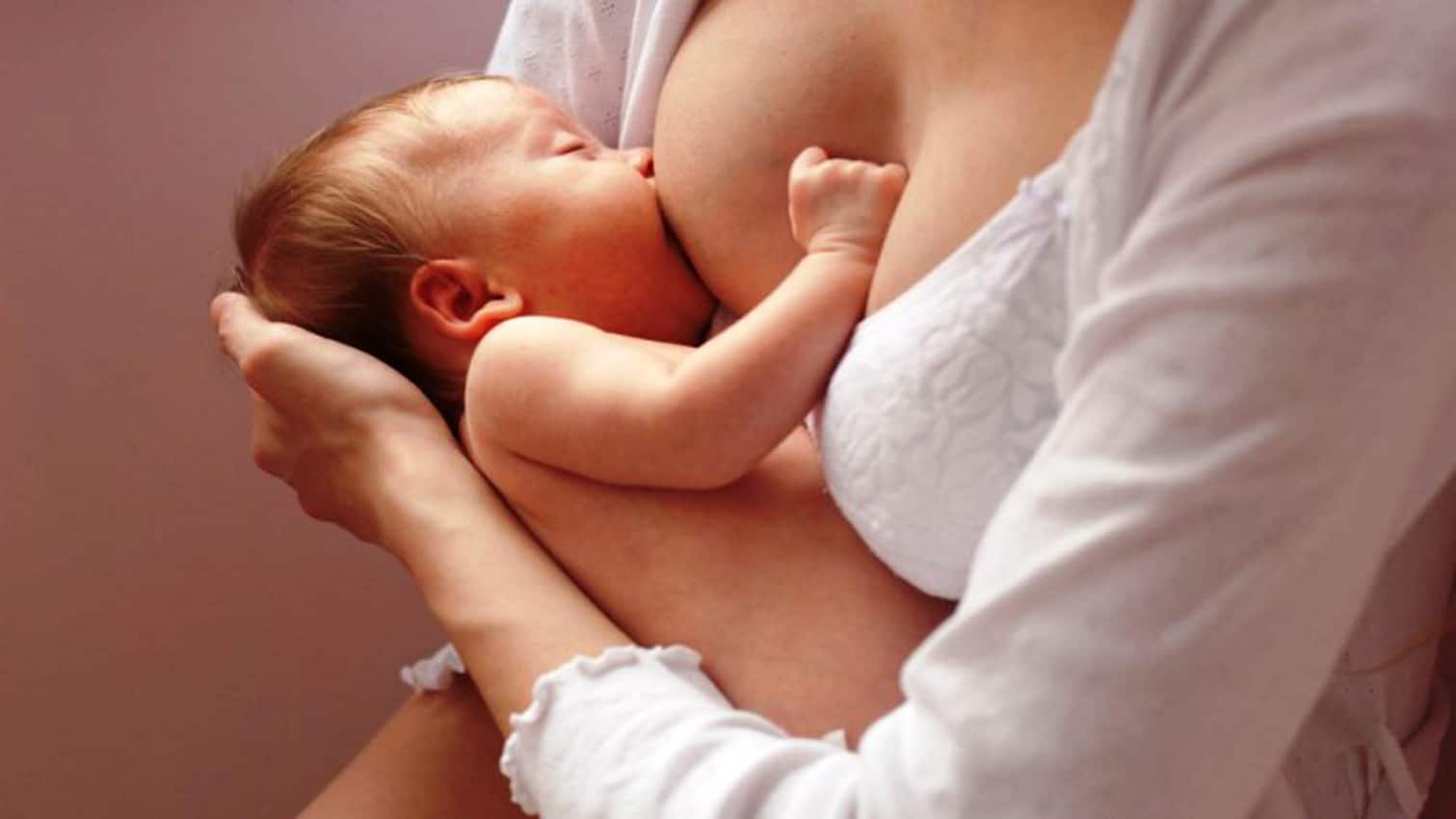
When you choose to breastfeed, it is advisable to do so from the first time you hold your newborn in your arms. To do this, position your baby’s body close to yours so that their chest is against yours. Then, touch their upper lip with your nipple and lift them to your breast as soon as they open their mouth. It is important that their mouth completely covers your nipple as well as the surface of the areola.
Normally, breastfeeding should not be painful. Additionally, a newborn should be breastfed between 8 and 12 times during their first 24 hours. It is also important to feed them as soon as they repeatedly open their mouth or seem to search for the nipple.
Taking care of a baby is important and involves mastering several actions and precautions to take.