Today, taking care of your nails is a real challenge because our hands are stressed all day long. Water, limescale, household chemicals, and the nail polishes we apply repeatedly weaken our nails and dry out our hands… So, what can we do? Is it still possible to have beautiful nails these days?
Well, yes! I offer you this article where we will look at the different natural beauty treatments we can give to our nails and have beautiful hands every day, not to mention toenails!
😉 Summary of this file
-
- The damage of polishes on our nails: toluene or methylbenzene
- Xylenes
- Formaldehyde
- Parabens
- Colophony
- Taking care of your nails in video: tips from a pro
- The different natural techniques to take care of your nails
- The “healthy” diet:
- Scrubbing, moisturizing, and filing:
- Free and vegan polishes for beautiful nails
- Removing cuticles from nails: is it a good idea?
- Conclusion: how to have beautiful nails?
The disadvantages of polishes on our nails
First of all, it is important to know that polishes contain harmful chemicals for the nails and the skin.
But not only that.
The regular use of polishes exposes us to allergic reactions and respiratory problems among others… It’s no longer just a question of beauty or physical appearance, as health can be severely affected by these chemicals!
Another example and another use: Nail Art. If you are a follower, it is very important to take care of your nails between each manicure to avoid degrading their condition!
To further convince you of the harmfulness of these chemicals, we present below a list of these toxic agents used in polishes and their effects on the skin, nails, and the body as a whole.
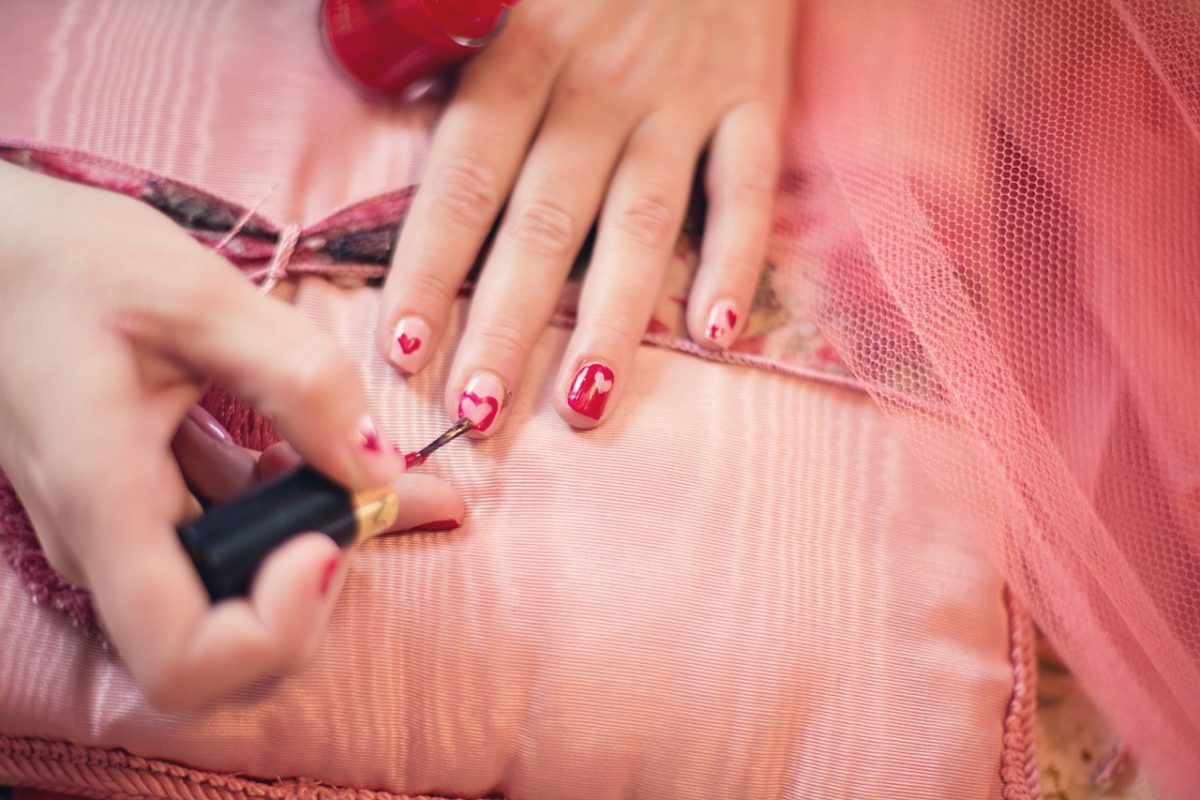
Toluene or methylbenzene
Or phenylmethane is an aromatic hydrocarbon. It is colorless and insoluble in water. It is mixed with organic solvents (acetone, chloroform, ethanol) and dissolves oils, fats, and resins.
Unfortunately, we find that it is responsible for problems such as abdominal pain, nausea, vomiting, diarrhea, consciousness and memory disorders.
It is said to be “euphoric” due to its characteristic smell that is well known with the application of polish. Some people will have a cough, fever, or even develop pneumonia, dyspnea.
There are cases of hallucinations, dizziness, muscle weakness, insomnia, mental confusion, coordination problems, respiratory issues, irritations.
This solvent is also known to degrade plastics and presents explosion risks in industrial environments.
In less severe cases, it is responsible for yellowing of the nail. Therefore, it is important to remove it as soon as it chips to prevent it from penetrating the nail plate.
Xylenes
These are colorless and flammable liquids, also mixed with organic solvents.
They can cause cough, fever, headaches, burning sensations, eye irritations, asthenia, dizziness and confusion, nausea, memory and concentration disorders, insomnia or even pneumonia.
They also present an explosion risk in industrial environments.
Formaldehyde
It is a chemical component that allows the polish to harden.
At room temperature, it is a colorless, suffocating, and flammable gas. In its liquid form, it is called formalin. It is irritating and responsible for many occupational diseases due to its use in cosmetics, health, veterinary…
Parabens
These are preservatives that prevent the formation of bacteria. They are responsible for endocrine and reproductive problems.
You are not learning anything new; we have heard a lot about them in recent years.
Colophony
It is a resin for gluing, a mixture of 90% organic acids. It is irritating, causes skin allergies, and respiratory problems.
Also, be careful with complementary products to nail polish: Top coat, Base coat, remover, etc. On this subject, and for those who are wondering how to take care of your nails naturally, we offer you this article that shows you how to remove polish without solvent. Feel free to give us your feedback and share your other techniques in the comments!
Taking care of your nails in the video: tips from a pro
Here are some tips from Cécile Anna in video:
The different natural techniques to take care of your nails
Fortunately, there are natural techniques to take care of our nails without the risk of irritation or problems like coughs or headaches, or any other reaction described above.
We offer you different beneficial steps for the nails:
Healthy diet:
It’s no secret to anyone, especially to regular readers of Viehealthy.com: a healthy diet can have incredible effects on your health… but also on your beauty and therefore on the aesthetic appearance of your nails (hands and/or feet).
So, some miraculous foods have incredible virtues, and this is the case with… chia seeds for example!
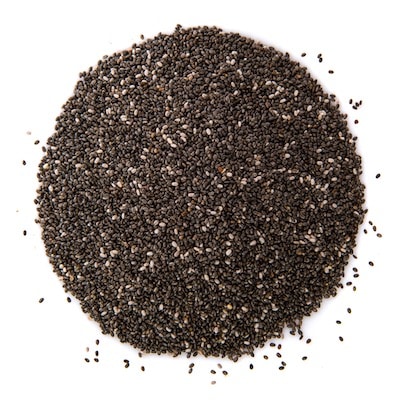
We invite you to read the full article on the subject, but by eating chia seeds, you will enjoy the (many) positive actions of the amino acids that make up this food, which will significantly strengthen your nails!
Another example of use: it is possible to create (or buy, which is even simpler…) gel based on chia seeds. By applying this gel frequently on the nails (as well as on the cuticles), it will help nourish them to regain their shine!
Scrubbing, moisturizing, and filing :
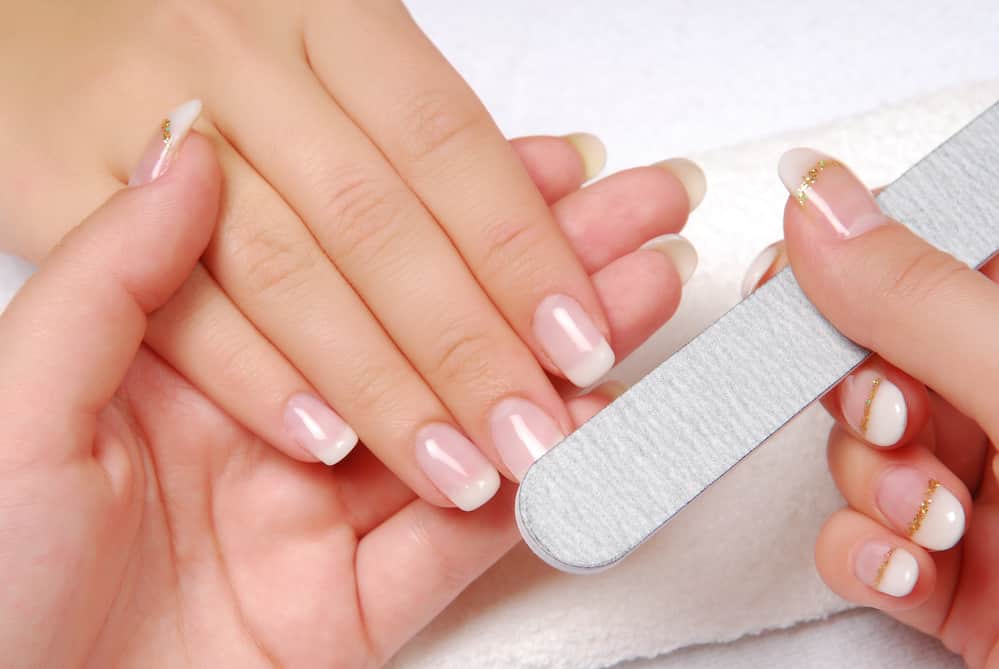 Taking care of your nails involves scrubbing and filing once a week. We offer you an easy recipe for a scrub to do at home:
You will mix:
- 1 tablespoon of coffee grounds
- 1 teaspoon of coconut oil
- 1 teaspoon of sugar
- 1 teaspoon of sweet almond oil.
The scrub removes dead skin and allows for better hydration of the hands and nails.
Castor oil will promote nail regrowth. It has moisturizing and strengthening properties. You can apply it with a cotton ball soaked in oil on your nails and leave it on for 20 minutes before rinsing.
The filing is a step not to be neglected, always in the same direction and without pressing too hard on the sides to avoid weakening them. If they are thin, the file should be appropriate. For this, we will choose a glass or crystal file.
There is a luxury version made of diamond dust, but the price of 50 euros can quickly discourage. The advantage of these files is that they are gentle and hygienic as they are washable and practically reusable.
They limit the splitting of our nails. With a metal or ordinary emery file, it is easier to snag, which allows impurities to pass through.
The chamois buffer allows for a shiny finish without polish for about 2 weeks, so our nails can breathe between applications. Otherwise, we recommend the software file as an alternative.
Whitening the nails is simply done by soaking them for 5 minutes in white vinegar or applying a cotton pad with a mixture of water and baking soda. These techniques will give your nails a natural white color.
You can give them more strength to regrow with a mixture of sweet almond oil and lemon.
During cleaning sessions, we advise you to protect your nails and hands with gloves.
Free and vegan polishes for beautiful nails
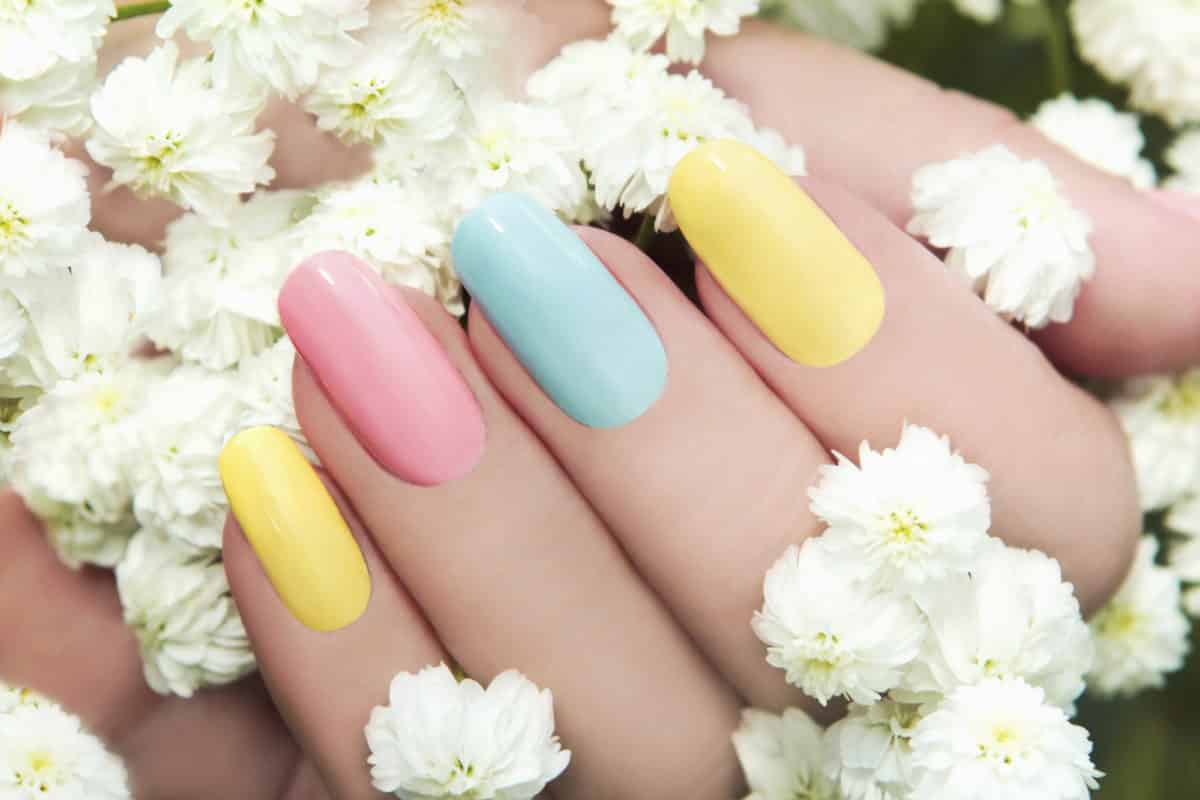
It is important to know that free polishes are not 100% organic hence their name. The composition is water-based, free from toluene, phthalates, dibutyl, formaldehyde, acetone, and heavy metals.
Designed to care for nails, they are non-toxic, suitable for sensitive skin, not dangerous for pregnant women, biodegradable, and not tested on animals.
Some vegan formulas include myrrh for care, known for its antibacterial, antifungal, and anti-inflammatory properties. There are also child-friendly versions that are water-based and non-toxic.
To go further and help you choose, we explain the different types of free polishes:
- the 3 FREES are free from formaldehyde, toluene, and DBP (dibutyl phthalate),
- the 4 FREES are free from formaldehyde, toluene, DBP, and synthetic camphor
- the 5 FREES are free from formaldehyde, toluene, DBP, synthetic camphor, and formaldehyde resin,
- the 7 FREES are free from formaldehyde, toluene, DBP, synthetic camphor, formaldehyde resin, xylene, and colophony,
- The vegan ones do not contain animal-derived products,
- Cruelty Free are not tested on animals,
- Water-based are water-based polishes, free from chemical solvents, toluene, phthalates, dibutyl, formaldehyde, acetone, and heavy metals.
Removing cuticles from nails: is it a good idea?
No! There are effective methods to take care of your nails naturally without harming your health… and cuticles are part of that! Think about daily hydration, care, and filing as we explain in this article, but also take care of your cuticles 😉
Indeed, when it comes to nail care, we do not recommend cutting cuticles as they are necessary to protect the nails. They are even the first natural barrier!
Thus, rather than cutting your cuticles, we suggest the following solution: you can massage your nails in the evening with a rich oil like warm olive oil. Then, you can push back the cuticles with a cotton swab or a wooden stick. This action should be repeated once a week to maximize benefits.
Conclusion: how to have beautiful nails?
You will understand: the first thing you need to do to take care of your nails on a daily basis is to stop making them suffer with the ton of chemicals that most women apply to them every day.
As we have shown in this article, there are more natural ways, just as aesthetic but (much) less dangerous for your health to improve their appearance!
Also, trust your body and the natural barriers it has to protect your nails, so take care of your cuticles.
Finally, if you have other tips, feel free to share them with us in the comments!
Tag : treatment for split nails