Beer is an alcoholic beverage obtained through a process of brewing, cooking, and fermentation of a mash of cereals such as corn, rice, and barley. It is one of the most commercially marketed alcoholic drinks worldwide. Its production is carried out in 5 stages. Barley is the reference cereal we have chosen to illustrate these five stages of production.
Malt Preparation or Soaking
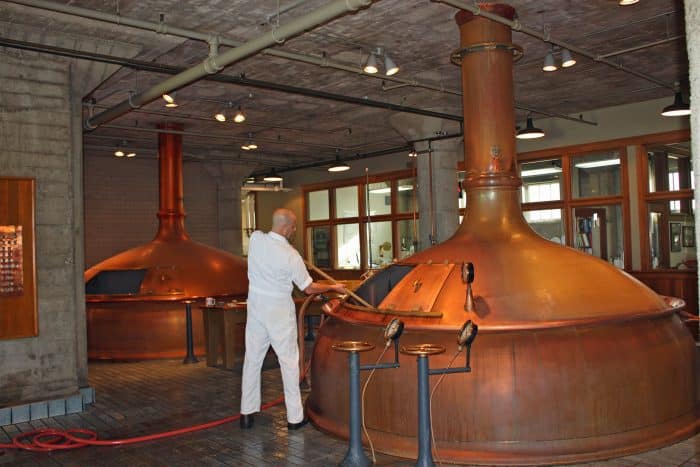
For beer production, barley is well dried beforehand and stored for a minimum of one and a half months. This storage period is necessary for the grains to no longer be dormant. Then, the barley grains to be used for beer production are soaked and aerated for up to 3 days to allow them to germinate. After a week, the grains are subjected to roasting in a very hot environment. At the end of the malting process, the grain can become pale, black, red, or brown malt, which will determine the color of the beer.
Brewing
The malt obtained is crushed and ground into flour to be mixed with hot water. This mixture is gradually heated to release the enzymes responsible for converting starch into sugars. The malt with the enzymes is the wort, which is cleared of solid elements to undergo brewing and boiling. It is at this stage that hops are added for the beer’s formulation. Depending on when the hops are added, the beer can be more or less bitter. Quality wort contains sugars that will turn into alcohol and carbon dioxide during fermentation.
Fermentation
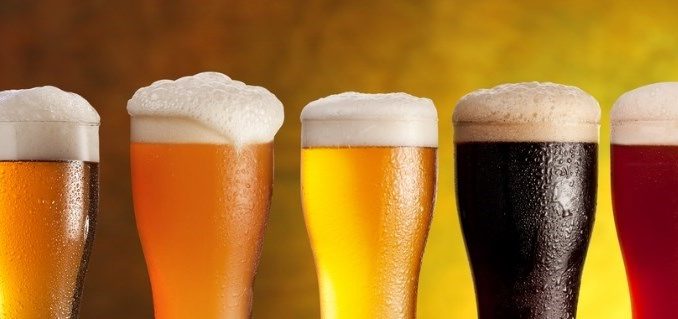
At this stage of beer production, yeast is added for alcohol production. This fermentation, lasting up to ten days, can occur in low, high, spontaneous, and mixed forms.
· Low Fermentation
Lasting ten days, this fermentation occurs at a temperature of 5 °C to 14 °C. It requires the use of Saccharomyces pastorianus yeast, which settles at the bottom of the tank. This fermentation is used for the preparation of pale lagers, amber lagers, and brown lagers.
· High Fermentation
Lasting 4 to 8 days, this fermentation occurs at a temperature of 15 °C to 20 °C. It requires the use of Saccharomyces cerevisiae yeast, which rises to the surface of the brewing tank. This fermentation is used for the preparation of Ales.
· Spontaneous Fermentation
This fermentation occurs through contamination by yeasts and bacteria suspended in the ambient air, such as Brettanomyces bruxellensis and Brettanomyces lambicus. Therefore, it does not require the use of cultivated yeasts.
· Mixed Fermentation
Rarely used, this fermentation is followed by the removal of yeasts from the tank. It may involve aging to decant yeast particles and hop residues, or the use of diatomaceous micrometric filters and a centrifuge.
Conditioning
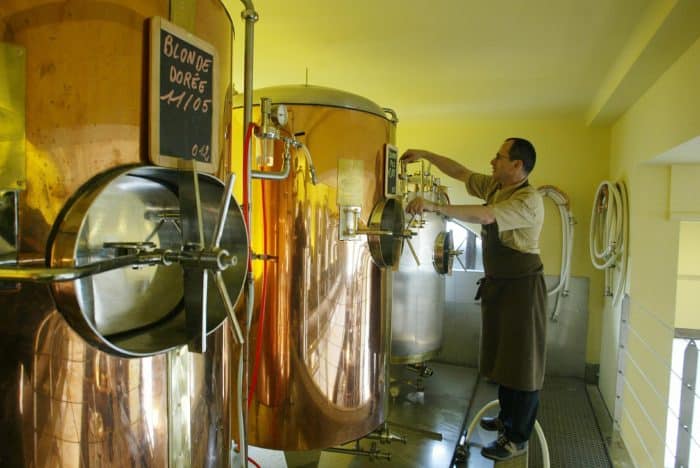
This is the final phase of the beer production process. The beer resulting from fermentation is stored in tanks with a CO2 counter-pressure to prevent contamination by pathogens and oxygen that could degrade the beer. After this aging period, the beer can be packaged under pressure, in bottles or cans. To stock up on craft beers, Ma Bière Artisanale offers a good selection showcasing French expertise. Indeed, there are different types of craft beers, and not all have the same taste.